fairplay | The Rise of Educational Games: A Fair Play in Learning

In recent years, the concept of educational games has gained significant traction as a tool for both teaching and learning. Often seen as a bridge between traditional educational methods and the digital age, these games are designed not only to educate but also to engage and motivate learners through interactive and immersive experiences. The surge in popularity of educational games can be largely attributed to their ability to cater to varied learning styles and needs, thereby promoting inclusivity and fair play in education.
Educational games encompass a wide array of subjects ranging from mathematics and science to languages and history. They are devised to enhance cognitive skills such as problem-solving, critical thinking, and strategic planning while keeping the learning process enjoyable and stress-free. One of the key advantages of educational games is their ability to provide immediate feedback, allowing learners to understand their mistakes and correct them in real-time. This immediate reinforcement is crucial in sustaining learners' motivation and interest, ensuring they remain engaged until they grasp the concept fully.
Moreover, educational games often introduce the element of fair competition, which brings the concept of fair play to the forefront. Fair play, defined by adherence to rules and impartial judgement, is an essential component of these games. It teaches learners values such as respect, honesty, and integrity, making them more than just educational tools but also instruments for character building.
The implementation of educational games in learning environments has shown promising results. Schools and educational institutions across the globe are increasingly incorporating these games into their curriculums. This not only modernizes traditional education but also ensures that learning remains an exciting adventure rather than a mundane task.
However, it is crucial for educators and developers to keep striving for balance. The challenge lies in maintaining the educational value of these games while ensuring they are engaging enough to captivate the diverse learning population. As technology continues to develop, there lies a vast potential for even more innovative and effective educational games, solidifying the role of fair play and enjoyment in the learning landscapes of the future.
In conclusion, educational games represent an important shift in how we approach learning. By integrating technology with empathy and engagement, they spotlight the principles of fair play both in the gaming environment and in real-world educational settings. As more educators and students embrace this trend, the potential to transform education for future generations becomes increasingly tangible.
Fairplay Revamps Online Gaming Scene
Fairplay is reshaping the online gaming landscape with innovative features and community-driven initiatives.
Revolutionizing Online Gaming with Fairplay
Exploring the impact of Fairplay in shaping the future landscape of online gaming communities.
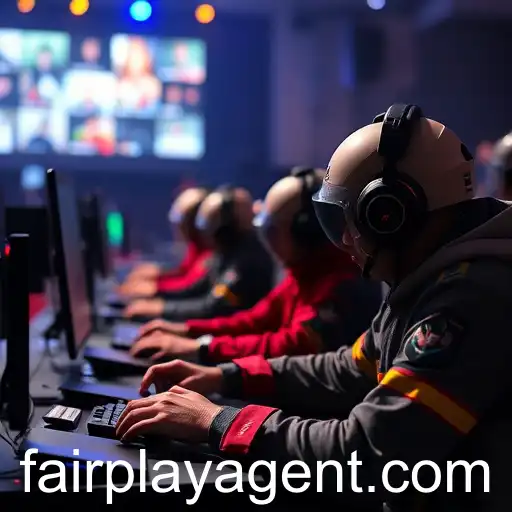
The Digital Arena: Fairplay in Modern Gaming
Exploring the significance of fairplay in online gaming amidst rising challenges and evolving technology in 2025.
Fairplay’s Digital Revolution in Gaming
Exploring how Fairplay is transforming the digital gaming landscape and bridging online communities.